Biography
From Pernambuco's sertão to the Palácio do Planalto.
Born in 1945 as the seventh child of a family of smallholding farmers in the arid backlands of Pernambuco, Lula migrated with his family to the industrial state of São Paulo at the age of seven. He left school after the fifth grade to shine shoes and sell peanuts, before eventually training as a metal lathe operator.
It was on the shop floors of the ABC industrial belt that he first understood the power of collective action. Lula rose to become president of the Metalworkers' Union of São Bernardo do Campo, leading historic strikes in 1978–1980 that helped bring an end to Brazil's military dictatorship and re-opened the public square to democratic debate.
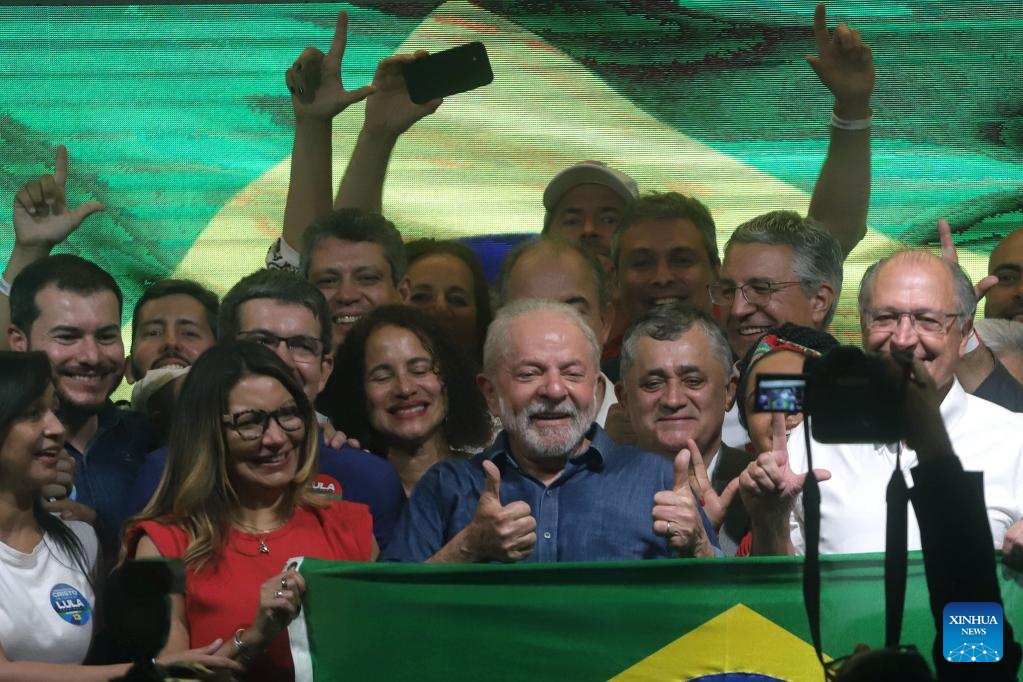
In 1980, together with intellectuals, union leaders and social movements, he co-founded the Workers' Party — the first mass-based, left-of-centre party in Brazilian history. A decades-long arc of political organising culminated in his election to the Presidency in 2002 with a record mandate.
Leadership Philosophy
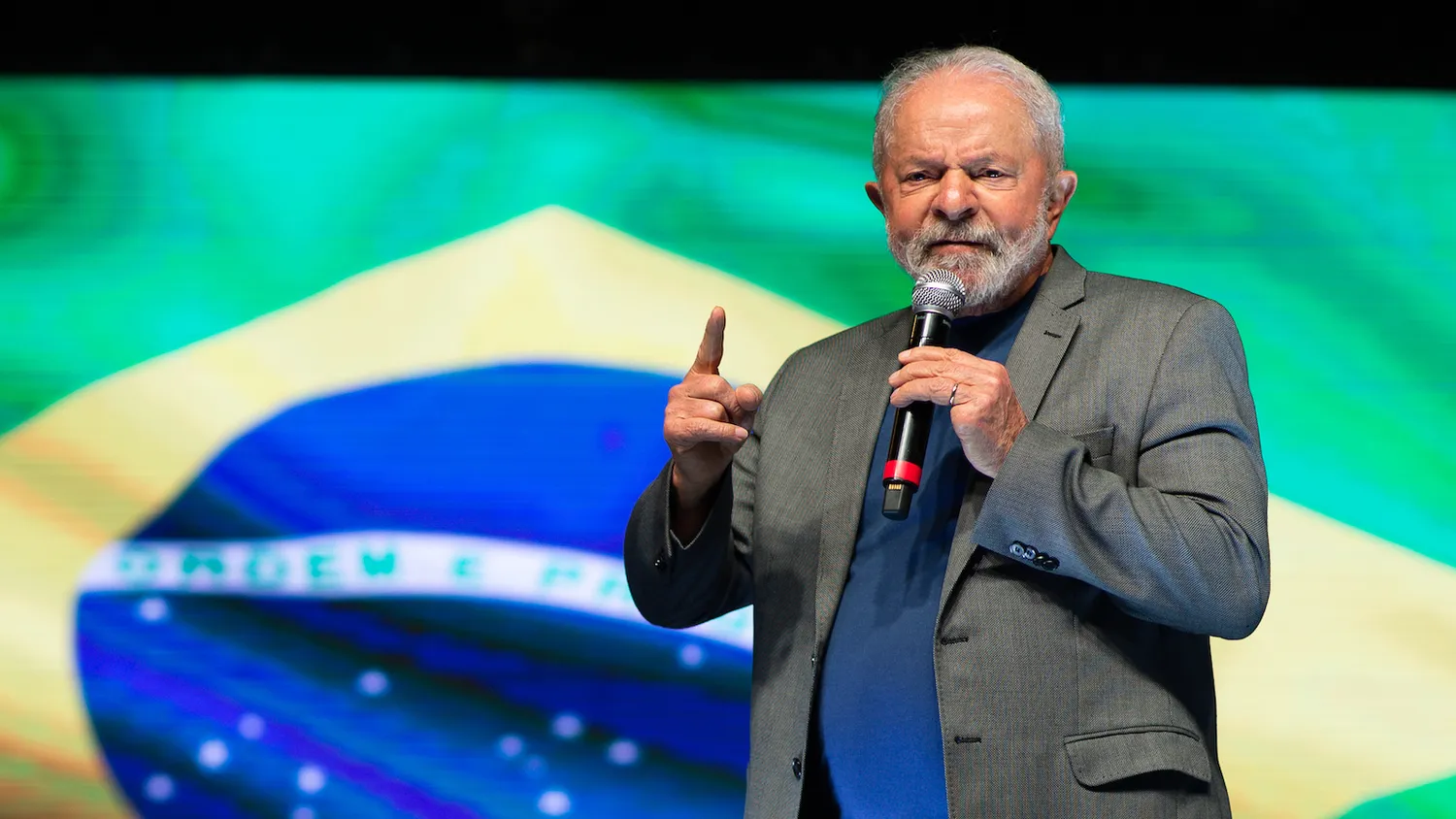
President Lula's philosophy of governance is rooted in three convictions: that prosperity without social inclusion is unsustainable; that a sovereign Brazil must negotiate with the world from a position of dignity and confidence; and that democracy is strengthened by the steady, unspectacular work of institutions, services and dialogue.
His two completed terms (2003–2011) saw Brazil lift 30 million people out of extreme poverty, deliver consistent growth, and emerge as a diplomatic middle power. In his third term, beginning in 2023, he has recommitted the federal government to that promise — while confronting new challenges of climate, inequality and global instability.
A Career Timeline
1945
Born in Caetés, Pernambuco
The seventh of eight children in a family of smallholding farmers in Brazil's northeastern sertão.
1952
Migration to São Paulo
The family moves south in search of work — a thirteen-day journey aboard a pau-de-arara flatbed truck.
1966
Qualifies as a metal lathe operator
After completing a government-sponsored industrial training programme, begins work in São Bernardo do Campo's auto industry.
1975
Elected President, Metalworkers' Union of São Bernardo
Leads over 100,000 workers at the heart of Brazil's automotive industry.
1978 – 1980
Historic strikes under dictatorship
Organises mass actions that challenge Brazil's authoritarian regime and revive civic life.
1980
Co-founds the Workers' Party (PT)
A new, programmatic party of workers, intellectuals, farmers and social movements.
1986
Elected to the Federal Chamber
Tops the nationwide vote for congress from São Paulo, becoming a leading opposition voice.
2002
Elected 39th President of Brazil
Wins with more than 52 million votes — the largest popular mandate in Brazilian history to that date.
2003 – 2011
First two presidential terms
Fome Zero and Bolsa Família lift 30 million out of extreme poverty; Brazil becomes the world's 6th-largest economy.
2023 –
Third presidential term begins
Returns to the Palácio do Planalto, pledging reconstruction of democracy, the economy and Brazil's place in the world.